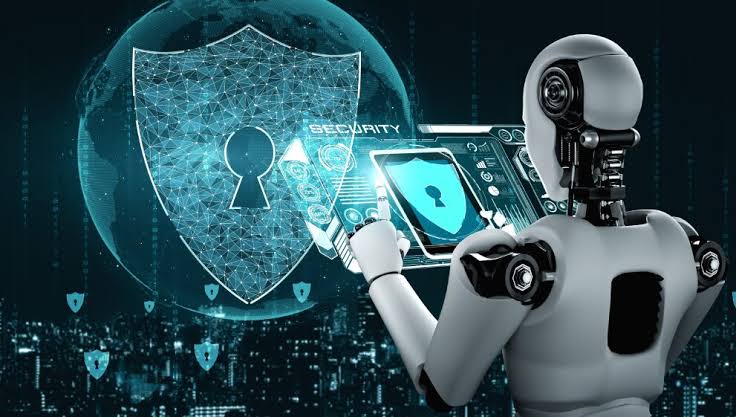
Cybersec in AI
Artificial Intelligence (AI) is transforming the way businesses operate, from automating routine tasks to enabling advanced decision-making. However, as AI systems become more integrated into our daily lives, they also introduce new cybersecurity challenges. Protecting AI systems and the data they rely on is no longer optional—it’s essential.
Why Cybersecurity Matters in AI
AI systems process vast amounts of sensitive information, including customer data, financial records, healthcare information, and intellectual property. If these systems are compromised, the consequences can be severe, ranging from financial losses to reputational damage.
Cybersecurity ensures that AI applications remain:
- Confidential – Sensitive data is protected from unauthorized access.
- Accurate – AI models are safeguarded against data manipulation and poisoning attacks.
- Available – Critical AI services remain operational without disruption from cyberattacks.
Common AI Security Threats
1. Data Poisoning
Attackers manipulate training data to influence an AI model’s behavior, causing inaccurate predictions or biased decisions.
2. Adversarial Attacks
Small, carefully crafted changes to input data can trick AI models into making incorrect classifications, posing significant risks in areas like autonomous vehicles and medical diagnosis.
3. Model Theft
AI models often represent years of research and significant investment. Cybercriminals may attempt to steal proprietary models through unauthorized API access or reverse engineering.
4. Privacy Breaches
Improper handling of training data can expose sensitive personal information, leading to compliance violations and loss of customer trust.
Best Practices for Securing AI Systems
Organizations can strengthen AI security by implementing several best practices:
- Encrypt sensitive data both at rest and in transit.
- Regularly update software and AI frameworks.
- Perform continuous security monitoring.
- Validate and sanitize training datasets.
- Implement strong authentication and access controls.
- Conduct periodic penetration testing and vulnerability assessments.
The Role of Human Awareness
Technology alone cannot eliminate cybersecurity risks. Employees must understand phishing attacks, password security, and safe handling of sensitive information. Regular cybersecurity training significantly reduces the likelihood of successful attacks.
Looking Ahead
As AI continues to evolve, cyber threats will become increasingly sophisticated. Organizations must adopt a proactive security strategy that combines robust cybersecurity practices with responsible AI development.
Investing in cybersecurity today helps ensure that AI remains a trusted and reliable tool for innovation tomorrow.
Author: Admin
Category: Cybersecurity, Artificial Intelligence
Tags: AI Security, Cybersecurity, Data Protection, Machine Learning, Digital Safety
Estimated Reading Time: 4–5 minutes